Showing posts with label Carlos Waiss. Show all posts

Sunday, March 31, 2019

Bien Pulenta / I Am Like This

Tango 1950


Composer: Juan D’Arienzo / Héctor Varela
Lyrics: Carlos Waiss
Orchestra: Juan D’Arienzo
Singer: Alberto Echague
Performance: Buenos Aires, May 5, 1950, RCA Victor (Green & Gold "Double Circle" Label), Shellac Record No. 68-0224-A


Curated and Translated by Luigi Seta


Tango Talks! (El tango nos habla)

La letra de este tango nos habla de la nobleza de estos compadritos tangueros, que aunque anduvieran por caminos non-sanctos, rozando lo delictivo, siempre era primordial para ellos la lealtad para sus amigos que se reflejaba en la nobleza de sus acciones para con ellos. Los códigos se respetaban a rajatabla y formaban la espina dorsal de la “tangueidad”.
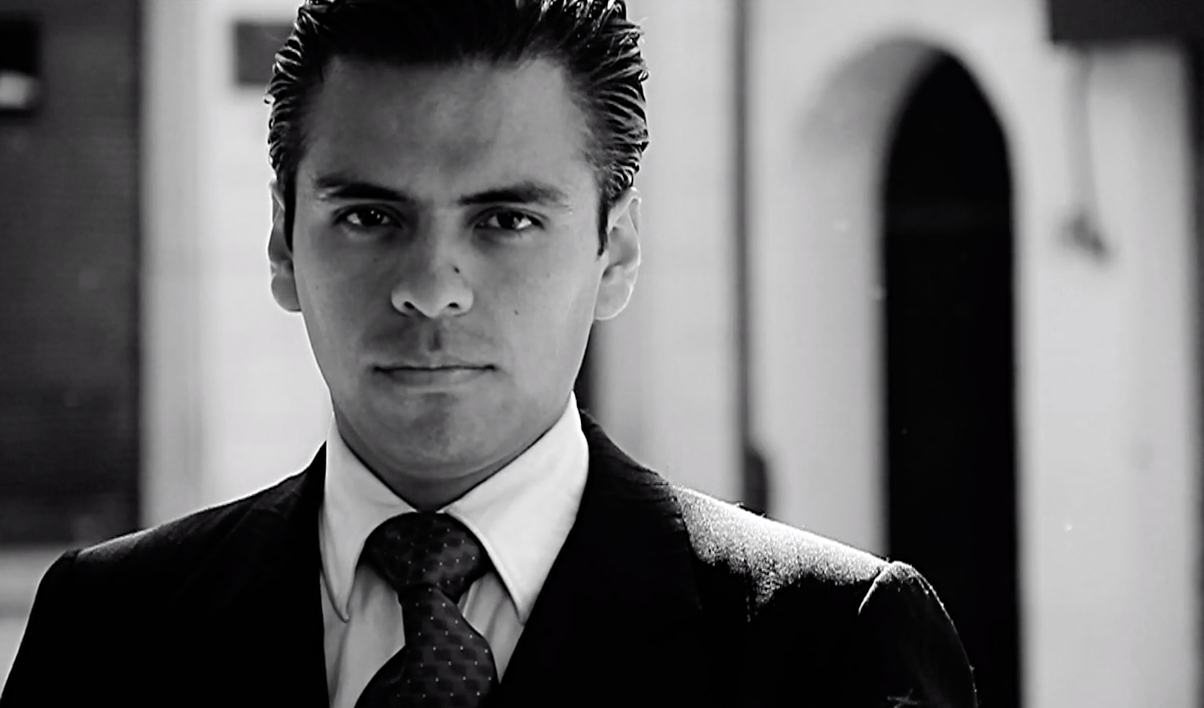


The lyrics of this tango speak of the nobility of these "tanguero compadritos", that even if they walked into Non-Sancto paths, bordering on the unlawful, the loyalty to their friends was always paramount for them, reflected in the transparency of their actions .These codes (códigos) were strictly respected and formed the backbone of the "tangueidad" (all things related to tango, beyond its music and dance).

Debo hacer notar que la mayoría de esta letra está escrita con palabras del léxico del Lunfardo (puede encontrarse aquí más sobre esta jerga), que al ser traducida al inglés pierde un tanto su característica sarcástica o su giro ruisueño, pero más allá de las barreras idiomáticas he tratado de preservar su esencia. Espero les guste!

I should make note that the majority of the lyrics is written with words from the Lunfardo lexicon (you can find more about this jargon here), which when translated into English loses a bit its sarcastic characteristic or its amusing turn, but beyond the language barriers I have tried to preserve its essence. Hope you like it!

© Luigi Seta


Acerca del Cantante / About the Singer Alberto Echagüe


En la primera infancia, Alberto Echagüe comenzó a cantar en la ciudad de Rosario (la ciudad más importante de la provincia de Santa Fe, a 300 km de Buenos Aires). A principios de los años treinta, Echagüe se mudó a Buenos Aires desde su ciudad natal de Rosario y debutó en Radio Stentor con su nombre artístico Alberto Echagüe.


In his early childhood Alberto Echagüe started singing in the city of Rosario (the most important city in the province of Santa Fe, 300 km far from Buenos Aires). At the beginning of the thirties Echagüe moved to Buenos Aires from his hometown and debuted in Radio Stentor with his artistic name Alberto Echagüe.


En el año 1932, fue cantante en la orquesta de Ángel D'Agostino, actuando en el cabaret Casanova y en el Teatro de París. El mismo D'Agostino fue quien lo presentó a Juan D'Arienzo, este último invitó a Echagüe a Radio El Mundo para escuchar a su orquesta. Allí se encendió la chispa de uno de los equipos más populares de los años cuarenta: D'Arienzo-Echagüe.


In the year 1932, he was singer in the Ángel D'Agostino orchestra, performing at the Casanova cabaret and at the París Theater. D'Agostino himself was who introduced him to Juan D'Arienzo, the latter invited Echague to Radio El Mundo to listen to his orchestra. There the spark of one of the teams most popular of the forties was lighted: D'Arienzo-Echagüe.


Es verdad; Echagüe no fue técnicamente un gran cantante y más aún si hacemos una comparación con la excelencia vocal que abundó en los años cuarenta. Pero reconozcamos que cuando la velocidad de Juan D'Arienzo lo permitió, una voz sensible, dramática a veces, parecía capaz de contar sabiamente las historias en las letras.


It is true; Echagüe was not technically a great singer and even more if we make a comparison with the vocal excellence that abounded in the forties. But let us recognize that when Juan D'Arienzo´s speed allowed it, a sensitive voice, dramatic at times, appeared capable of wisely telling the story in the lyrics.


Era el cantante más importante de la orquesta, en cuanto a la caja, pero, además, era un caballero, un hombre honesto al que la fama nunca cambió y que, a pesar de las desventajas de su carrera artística, logró criar una familia. y ser amado por todos los que lo conocieron.

He was the singer most important of the orchestra, as for the cashbox, but furthermore, he was a gentleman, an honest man whom fame never changed and that, in spite of the disadvantages of his artistic career, he succeeded in bringing up a family and being loved by all those who knew him.


Tocaban en el cabaret Chantecler, en Radio El Mundo y en una gran cantidad de salones de baile y clubes. El boom fue increíble, comprometiéndose a registrar 27 números, comenzando con "Indiferencia", el 4 de enero de 1938, un hermoso tango de Juan Carlos Thorry y Rodolfo Biagi, finalizando esta etapa el 22 de diciembre de 1939 con "Trago Amargo" de Rafael Iriarte. y Alfredo Navarrine.


They played at the Chantecler cabaret, on Radio El Mundo and a great number of dancing salons and clubs. The boom was amazing, committing to record 27 numbers, starting with “Indiferencia”, on January 4, 1938, a beautiful tango by Juan Carlos Thorry and Rodolfo Biagi, ending this period on December 22, 1939 with “Trago Amargo” by Rafael Iriarte and Alfredo Navarrine.


La relación del cantante con El Rey del Compás tuvo varias etapas, que continuaron hasta el año 1975. La segunda etapa comenzó en 1944 y duró hasta 1957, es la más larga y la más exitosa. La orquesta era un huracán y el cantante no era menos. La calidad de los números es bastante desigual y el repertorio apuntaba a un auge comercial y no a un objetivo artístico.

Rare advertising from 1944
Mauré is leaving the orchestra and Echagüe re-entering it,
All together the same night with el Maestro!

The relationship of the singer with El Rey del Compás (The King of the Rythm) had various stages, which continued until the year 1975. The second period began in 1944 and lasted until 1957, it is the longest, and the most successful as well. The orchestra was a hurricane and the singer was no less. The quality of the numbers is quite uneven and the repertoire was aiming at a commercial boom and not at an artistic goal.


En 1968, comenzó la tercera y última etapa con el Maestro D'Arienzo, viajó a Japón y logró un éxito extraordinario. La historia divertida es que la orquesta viajó sin su líder, que tenía mucho miedo de viajar en avión. El maestro hubiera viajado a Japón si no fuera por ese trauma, en realidad, el propio emperador Hirohito lo invitó y le envió un cheque en blanco para que pudiera escribir la cantidad que le quisiera para ir a Tokio. Él le respondió que no se trataba de dinero sino de aviones!


In 1968, it began the third and final period with Maestro D'Arienzo, Mauré traveled to Japan and achieved an extraordinary success. The funny story is that the orchestra traveled without its leader, who was very afraid of traveling by plane. D’Arienzo would have traveled to Japan if it were not for that trauma, in fact, Emperor Hirohito himself invited the Maestro and sent him a blank check so he could write the amount he wishes to go to perform in Tokyo. He replied that it was not money but airplanes!


Bien Pulenta
Tango 1950


Castellano (and Lunfardo):


Estoy hecho en el ambiente de muchachos calaveras,
entre guapos y malandras me hice taura pa' tallar,
me he jugado sin dar pifia en bulines y carpetas,
me enseñaron a ser vivo muchos vivos de verdad.
No me gustan los boliches que las copas charlan mucho
y entre tragos se deschava lo que nunca se pensó.
Yo conozco tantos hombres que eran vivos y eran duchos
y en la cruz de cuatro copas se comieron un garrón.

Yo nunca fui shusheta
de pinta y fulería,
y sé lo que es jugarse
la suerte a una baraja
si tengo un metejón.
Le escapo a ese chamuyo
fulero y confidente
de aquéllos que se sienten
amigos de ocasión.
Yo soy de aquellas horas
que laten dentro 'el pecho,
de minas seguidoras,
Y de hombres bien derechos
tallando tras cartón.

Siempre sé tener conducta por más contra que me busquen,
aunque muchos se embalurden que soy punto pa' currar,
ando chivo con la yuta porque tengo mi rebusque
y me aguanto cualquier copo con las cartas que me dan.
No me gusta avivar giles que después se me hacen contra,
acostumbro escuchar mucho, nunca fui conversador.
Y aprendí desde purrete que el que nace calavera
no se tuerce con la mala, ni tampoco es batidor.
English:


I'm made in the environment of night-owls, dissipated men,
between felons and cuprits I had to be brave to impose myself.
I have taken a lot of risks without a single fail, in love nests and gambling houses.
I was taught how to be clever by real clever men.
I don’t like bars because alcohol makes people talk
and drinking you end confessing things you thought you wouldn’t.
I know a lot of men that were cunning and experimented
but because they drank too much, they found themselves in awkward situations.


I have never be a dandy,
those well-dressed and unloyal guys,
and I know how it is to gamble
“my luck to a deck”
if i have a crush with a girl.
I escape to that small talk
shoddy and confident
you have from people that pretend to be
your occasional friends.
I am a man from those good old times
that still beating inside the chest,
when women were loyal and committed,
And when men were trustworthy
immediately ready to help.


I always know how to keep myself calm not matter what they pretend from me,
even when some people make the mistake to think that I am an easily-deceived fool,
I am wary of the Police because my businesses are not very lawful
and I bravely stay in front of the attacks defending myself with all I have.
I don’t like teaching lessons to useless people because afterwards, they become rivals,
I am usually a good listener, I have never been a chatty one.
And I learnt since I was a kid that the man who is honest and loyal
doesn’t let himself to be corrupted by misfortune, nor becomes a betrayer.


Danced by Noelia Hurtado and Carlitos Espinoza


De nuevo y de nuevo… como sólo ellos lo saben hacer… Carlitos con una perfecta interpretación del protagonista de la historia, (vean el momento en 2:02s) y Noelia sin dejar de lado su increíble musicalidad.  ¿Está Noelia tocando un imaginario teclado sobre el piso? Quedémonos atónitos… una vez más!


Brussels Tango Festival
Apr 25, 2015 


Again and again ... as only they know how to do it... Carlitos with a perfect interpretation of the protagonist of the story, (i.e.: see video point at 2:02s) and Noelia without leaving aside her incredible musicality. Is Noelia playing an imaginary keyboard on the floor? Let's be stunned... once again!


Sunday, January 11, 2015

Cartón Junao (Delincuente Conocido - Known Crook)

Tango - 1947

Music: Juan D'Arienzo and Héctor Varela
Lyrics  Carlos Waiss

This performance:
Orchestra: Juan D’Arienzo
Singer: Alberto Echague
Recorded: Buenos Aires, August 8, 1947, RCA Victor.

Curated & Translated by Luigi Seta


Acerca de este tango / About this tango

Este tango es quizás un monumento al Lunfardo, haciéndose prácticamente imposible de entender aún para el más avezado nativo de Argentina o Uruguay. Es increíblemente hermoso para bailarlo por su gran musicalidad. Los personajes de otra historia era lo que estaban buscando. Pero ahora veamos que es el Lunfardo...

This tango is perhaps a monument to Lunfardo, the lyrics are virtually impossible to understand even for the most seasoned native of Argentina or Uruguay . It's incredibly beautiful to dance for its great musicality. This was what the characters in another story were looking for.  But now let's see what is Lunfardo...

Danced by 
Cecilia Berra and Horacio Godoy / Clarisa Aragón and Jonathan Saavedra
2018 Embrace Berlin Tango Festival


Cartón Junao
Tango - 1947

Claves del vocabulario Lunfardo en esta letra / Lunfardo keywords tin the lyrics


Lunfardo:


Siempre pasa con el pucho,


Sobrador a flor de labio
Con la pinta media shiome
Que deschaba el arrabal
Lleva el lengue hecho galleta


Con el funyi arremangado


Y se va ladeando todo
Con andar acompadrado
Mientras pica en la vereda
Con el taco militar


La chamuya de los grilos


De casimba y empiedrada


En la cara luce un feite


Que hoy es vieja cicatriz
Se da dique que hace poco
Le fajaron la mancada


Y fue culpa de una nami
Que de puro rechiflada
Casi ortiba los aprontes


Que le daba en el bulín
La va de que es junado

Conversa de sotana
Su vieja ferramenta


La tuvo que amurar
Pregunta por “el hombre”,
Respeta a la fulana
Y dicen que un caudillo,
Lo pudo acomodar
La vá que fue ladero
De puntos remanyados
Y en el repique lungo
De turbio chimentar


Para él no hay un secreto,

Desde tirar el carro


Pialarse en un choreo
O hacer un cuento más

Tiene pinta bulinera
De gavion de rango mishio

El yuguillo lo levanta
Casi-casi hasta la nuez
Cuando juna el mayorengo


Se la toma “stricho y pico”


Se embalurda con dos cañas
Se hace cruz al abanico
Y para andar algo piola
La jotraba de chofer
La saluda con ¡Dequera!
Y si marca es con un ¡Quia!
Pero yo que le remanyo,
Su prontuario bien lo sé,
Que no tiene más balurdo,
Que un andar de contramano

Y los tiras la otra noche,
Fue por gil que lo apuntaron,
Cuando estaba haciendo pinta


En la puerta de un café.

Castellano:


Pucho: cigarrillo, comúnmente “pasame un pucho”
Sobrador: Petulante. Vanidoso. Presumido.
Shiome: Viene de mishiadura. Pobreza total.
Deschaba: Demuestra, Señala, Indica.
Lengue: Pañuelo de cuello, Galleta: forma de nudo.


Funyi: Sombrero con el ala doblada hacia arriba.


Camina de costado
Con andar de compadrito, el "gaucho" urbano
Pica: camina ligero, como disparando.
Tipo de taco más alto. Haciendo sonar los tacos del zapato en la vereda.

Grilos: Bolsillos laterales del saco. Que aparenta tener dinero

Casimba: Billetera – Empiedrada: Piedra del anillo de alta calidad.
Feite: Tajo en la cara que le marcó el rostro.


Que hoy es vieja cicatriz
Dique: Ostentación. Pavoneo. Alarde.
Fajaron Paliza Mancada: Lo descubrieron robando.

Nami: Inversión silábica de mina (mujer)
Rechiflada: Enfurecida. Alocada.
Ortiba: versión silábica de Batidor (delator). Aprontes: paliza

Bulín: Cuarto de soltero o concubino.
Junado: Punguista reconocido.

Sotana: con disimulo
Ferramenta: Herramienta que usa el escruchante para golpear o abrir una puerta.

Amurar: dejar. Aquí se entiende por empeñar o guardar.
Con respeto hacia otro "colega"
Fulana: Concubina del compinche.
Caudillo: personaje de influencia.
Le consiguió un trabajo liviano.
Ladero: Segundón
De otros delincuentes reconocidos.
Conversación larga.
Conversación de vecinas de patio o catalogo de chismes.
Para él no hay un secreto,

Tirar el carro: Explotar una mujer o vivir a costa de otro.

Pialarse: enredarse. Choreo: robo.
Un cuento más: embaucar a otro con una historia. El más común, el Cuento del Tío.

Bulinera Viene de poco salidora o jaulera.
Bacán de rango mishio. Mucha pinta pero pobre.
Yuguillo: Cuello de la camisa.
Casi-casi hasta la nuez (nuez de Adán)
Junar: Mirar sobrando. Mayorengo: oficial de policía.

“Stricho y Pico”, toma retirada a la uruguaya: Mutis por el foro.

Embalurda: Se engaña a si mismo. Caña: bebida alcohólica
Abanico: Se esconde de la ronda de la policía.
Piola: Limpio de antecedentes policiales.
Jotraba: Inversión silábica de trabajo.
Dequera: Voz de alerta.
Marca: Señala. Quia: Inversión de Aquí
Remanyo: Conozco demasiado bien
Su prontuario bien lo sé,
Balurdo: No tiene a quien hacerle el cuento.
Contramano: Vive y piensa al revés de los demás.
Tiras: Policías vestidos de civil.
Gil: tonto.Apuntaron: Los tiras lo abordaron.
Haciendo pinta: Pavoneándose, haciendo "bandera"

En la puerta de un café.

Cartón Junao


Cartón Junao - Tango 
(Delincuente Conocido - Known Crook)


Translation to English

Always walking with the petulant cigarette butt on his lips,
with impoverished look somewhat revealing his slum’s origin.
Has the handkerchief knotted at his neck, with the hat something up,
and be leaning to one side with a full conceit
while pounding the pavement with the heel of his shoe, which is high and somewhat wider than usually.

Makes showy display of his pockets (like having money), nozzle and jewels,
his face exhibits an incision that currently it is an old scar.
Boasts that, recently, was beaten when discovered while performing a robbery
and was, in fact, because of a concubine, victim of a strong nervous breakdown,
almost reports the abuse that he was giving to her in the bachelor's room they shared.
Pretends to be widely recognized, talk softly,
[on which] had to abandon the old tool used to force doors and windows.

Ask about "the man" (showing respect for his accomplice), respects his companion,
and people says that a political leader got him an easy job.
Claims to have been highly recognized assistant in criminal activities of individuals
and present in the wide range of comments on events of dubious legality,
for him there are no secrets from exploiting a woman bringing her into prostitution,
assist in a robbery or committing a fraud or another scam.
It looks like an ordinary lover of middle class,
uses the shirt the collar up almost to the nut,
when he warns the presence of the police officer he quietly disappear
get drunk with two glasses of drink made of denatured spirits, swears revenge on the informer

And pretending to make an honest living, works as a driver.
Greets and address someone using slang expressions
but I widely know his background, I know him very well,
he is only an inconsequential wanderer,
and the police, the other night, was for wretch that catch  him
when he was vainly exhibiting himself at a coffee place’s entrance.

Note: this translation is not word-by-word, almost an impossible task, but it was done closely resembling the meaning and sense of what the author of the lyrics wanted to express.


Traducción al Castellano neutro / Translation to neutral Castellano, (no-Lunfardo)

Siempre circula con la colilla del cigarrillo petulante a flor de labios,
con el aspecto un tanto pobretón que revela su origen suburbano.
Lleva el pañuelo del cuello anudado, con el sombrero algo levantado,
y se va inclinando hacia un costado con cierto andar altanero
mientras golpea la acera con el tacón de su calzado, que es un tanto más alto y ancho que lo regular.

Hace exhibición ostentosa de lo que parece dinero sus bolsillos, la boquilla y la alhaja con piedras preciosas,
en su rostro exhibe una incisión que actualmente ya es una cicatriz antigua.
Alardea de que, hace poco, recibió una golpiza al ser descubierto mientras efectuaba un robo
y fue, en realidad, culpa de una concubina que, víctima de una fuerte crisis nerviosa,
casi delata las agresiones que le propinaba en la vivienda que compartían.
Simula ser ampliamente reconocido, conversa por lo bajo,
[sobre que] tuvo que abandonar la vieja herramienta que utilizaba para forzar puertas y ventanas.

Pregunta por “el hombre” (mostrando respeto por su compinche) y respeta a su compañera,
y se comenta que un dirigente político le consiguió un puesto ventajoso.
Pretende haber sido ayudante en actividades delictivas de individuos muy reconocidos
y en el amplio repertorio de comentarios sobre hechos de dudosa licitud,
para él no hay secretos, desde explotar a una mujer haciéndole ejercer la prostitución,
participar en un robo o cometer una defraudación o estafa más.
Tiene el aspecto de un amante doméstico de media categoría,
el cuello de la camisa lo lleva prácticamente hasta la nuez,
cuando advierte la presencia del oficial de policía se retira sigilosamente
se embriaga con dos copas de bebida hecha a base de aguardiente desnaturalizado, jura vengarse del delator

y pretendiendo que es una persona legal, trabaja como chofer.
Saluda mediante la expresión “dequera” y para dirigirse a alguien lo hace diciendo “quía”,
pero yo que conozco ampliamente sus antecedentes, bien lo sé,
que no adolece más que de ser un errabundo inconsecuente,
y la policía, la otra noche, fue por infeliz que lo detuvo
cuando estaba exhibiéndose vanidosamente en la puerta de un café.


Acerca del Lunfardo / About the Lunfardo jargon


El Lunfardo es una jerga de unas 10,000 palabras desarrollada en el Río De la Plata y que se encuentra en muchas de las letras de tango, no es una lengua o dialecto pues usa la estructura gramatical del Castellano.

The Lunfardo is a jargon of about 10,000 words developed in the River Plate and found in many tango lyrics, is not a language or dialect since uses the Castilian (Spanish) grammatical structure .

La palabra «Lunfardo» deriva del Lombardo, idioma hablado principalmente en Lombardía (región ubicada en el norte de Italia). Hasta principios del siglo XX era frecuente entre las poblaciones italianas llamar lombardi (‘lombardos’) a los hampones, quizás recordando a las invasiones lombardas de inicios de la Edad Media.

The word "Lunfardo" derives from the Lombard language, spoken mainly in Lombardy (region located in northern Italy). Until the early twentieth century it was common among Italian populations call  “lombardi” (“Lombard”) to the thugs, perhaps reminding the Lombard invasions of the early Middle Ages.

Hacia finales del siglo XIX este argot se desarrolló en el hampa para poder hablar en código y no ser interceptados por la policía, pero pronto adquirió gran dimensión enriqueciendo el habla popular de aquellos tiempos y del siglo XX.

By the late nineteenth century this jargon developed itself in the underworld to speak in code and not be intercepted by the police, but soon acquired a big dimension enriching the popular speech of those times and the twentieth century.


Las grandes ciudades de la cuenca Del Plata como Buenos Aires, Montevideo y Rosario vivían una situación sociocultural muy similar debido en gran medida a la enorme inmigración desde casi toda Europa, pero principalmente italiana y española contribuyendo en gran medida al crecimiento de este léxico.

The major cities of the Del Plata basin as Buenos Aires, Montevideo and Rosario experienced a very similar social and cultural situation largely due to the massive immigration from most of Europe, but mainly Italian and Spanish contributing greatly to the growth of this lexicon.

La Academia Porteña del Lunfardo (a veces mal llamada Academia Argentina del Lunfardo) se fundó el 21 de diciembre de 1962 con el fin de seguir la evolución del habla popular rioplatense, el lunfardo. A lo largo de su existencia, ha editado libros, folletos y artículos relacionados con el lunfardo en particular y con la cultura popular en general.

The Porteña Lunfardo Academy (sometimes misnamed Academy of Argentine Lunfardo ) was founded on 21 December 1962 in order to follow the evolution of this "rioplatense" popular speech. Throughout its existence, the Academy has edited books, pamphlets and articles related to the lunfardo jargon in particular and the popular culture in general.